May 22, 2026
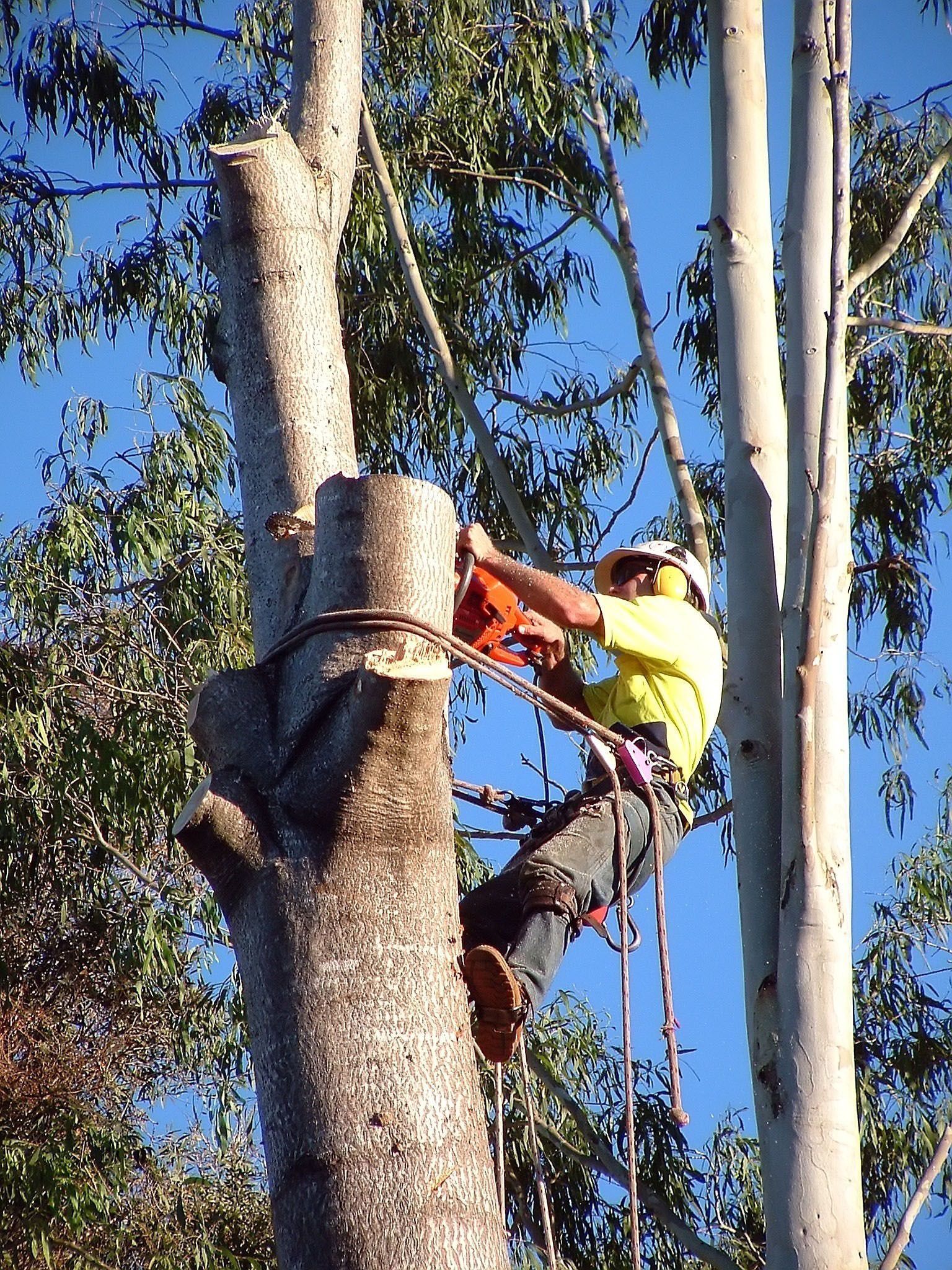
Tree trimming is an essential practice for maintaining the health and vitality of trees. Regular trimming not only enhances the aesthetic appeal of trees but also plays a significant role in promoting their healthy growth. By understanding the principles of tree trimming, homeowners and arborists can ensure that trees remain robust and resilient against various environmental challenges. Trimming helps in removing dead or diseased branches, thus preventing the spread of diseases and pests. Moreover, proper tree trimming can significantly improve air circulation and light penetration, which are crucial for the photosynthesis process.
Balancing Tree Physiology and Structure
Understanding tree physiology is crucial for effective maintenance. Photosynthesis is the process by which trees convert sunlight into energy, and this occurs primarily in the leaves. Proper tree trimming ensures that sufficient sunlight reaches the inner foliage, enhancing the efficiency of this vital process. When branches are overcrowded or deadwood is present, it can block sunlight and impede growth. Regular maintenance allows for optimal conditions that support the tree's overall health and longevity.
Trees naturally exhibit apical dominance, directing growth toward the top to compete for sunlight. However, without intervention, this can lead to structural weaknesses and an uneven appearance. Trimming helps balance this growth by redirecting energy to lateral branches, promoting a more symmetrical and stable structure. By recognizing and accommodating these natural growth patterns, you can enhance both the strength and aesthetic appeal of your landscape while preventing potential hazards from falling limbs.
Nutrient distribution within a tree is a complex process that supports growth and development. Trees absorb nutrients from the soil through their roots, which are then transported to various parts of the plant. Strategic tree trimming plays a role in optimizing this distribution by removing unnecessary or competing branches. This allows more nutrients to be allocated to healthy, productive sections. Additionally, trimming reduces the demand on the tree's resources, ensuring that essential minerals are directed toward defense and long-term health maintenance.
Improving Environment and Airflow
Trimming has a direct impact on tree health by removing diseased or damaged branches that act as entry points for pests and pathogens. Regular maintenance reduces the risk of infection and helps maintain the tree's natural defenses. Furthermore, by improving air circulation and sunlight penetration, you create an environment less conducive to fungal growth. Proper tree trimming is a proactive measure that supports long-term resilience against common environmental stressors.
Dense foliage often traps moisture, creating a favorable environment for diseases to take root. Trimming opens up the canopy, allowing air to flow freely and reducing humidity levels. This improved air circulation not only prevents fungal issues but also enhances the tree's overall vigor. According to Better Homes & Gardens, trees can cut air conditioning use by up to 30% and reduce heating costs by 20% to 50%. This fact highlights how maintaining healthy, well-positioned trees provides significant environmental and financial benefits to any property.
Trimming can also significantly enhance fruit and flower production. By removing excess branches, you allow more sunlight to reach the reproductive parts of the tree, which promotes the development of healthy buds and improves fruit quality. Additionally, reducing competition for nutrients directs more resources toward these yields. Whether you are managing an orchard or a backyard garden, proper techniques lead to more abundant and vibrant blossoms throughout the growing season.
Implementing Effective Trimming Techniques
Identifying dead and diseased branches is the first step in any maintenance session. These branches are often discolored, brittle, or show signs of decay. Removing them promptly prevents the spread of disease and supports the tree's overall health. Regular inspections help identify problem areas early, ensuring timely intervention. By focusing on these compromised branches, tree trimming enhances the tree's vitality and resilience against pests that target weakened wood.
Choosing the right tools is essential for a clean and professional result. Pruning shears, loppers, and saws are commonly used, each suited for different branch sizes. Sharp, clean tools ensure precise cuts and reduce the risk of tearing bark, which can lead to infection. Additionally, using the appropriate equipment minimizes the physical effort required and enhances safety. Proper tool selection and maintenance are fundamental aspects of successful arboriculture that every homeowner should consider.
Understanding the different types of pruning cuts—such as heading, thinning, and reduction cuts—is vital. Each cut serves a specific purpose and impacts the tree's future growth and structure. Properly executed cuts encourage healthy regrowth and minimize the risk of disease entry. By mastering these techniques, you can promote both the aesthetic and functional aspects of your trees, ensuring they remain a safe and beautiful part of your environment for years to come.
Considering Seasonal Growth Patterns
The timing of your activities plays a crucial role in their effectiveness. For many deciduous species, late winter or early spring is ideal for tree trimming, as it promotes healthy regrowth once the dormant period ends. However, flowering trees may benefit from post-bloom trimming to avoid sacrificing the current season's blossoms. Understanding the optimal timing for each specific species ensures that they receive the maximum benefit from your care and can recover quickly.
Summer trimming focuses on maintaining health and addressing issues that arise during the peak growing season. This includes removing deadwood and managing growth that may interfere with structures or power lines. Summer maintenance also helps improve air circulation and light penetration during the hottest months. However, moderation is key, as excessive trimming during high heat can stress the tree. Adopting appropriate seasonal strategies keeps your landscape vibrant and manageable year-round.
Winter trimming offers unique advantages because trees are in a dormant state and less susceptible to stress. The absence of leaves provides a clear view of the structure, making it much easier to identify crossed branches or structural defects. This period also minimizes the risk of disease transmission, as many pathogens and insects are inactive. By taking advantage of the dormant season, you can perform more significant structural adjustments that set the stage for a burst of healthy growth in the spring.
Avoiding Common Maintenance Mistakes
Over-pruning is a frequent error that can have serious consequences. Excessive removal of foliage stresses the tree, reducing its ability to produce energy through photosynthesis. This can lead to weakened growth, increased susceptibility to diseases, and even total failure. It is important to maintain a balanced approach and trim only what is necessary to achieve your goals. Preserving enough leaf surface area ensures the tree has the resources it needs to heal from the cuts and continue thriving.
Ignoring species-specific differences is another common mistake. Every tree has unique growth habits and responses to pruning; a one-size-fits-all approach often leads to poor results. Understanding the specific needs of your trees ensures that your efforts are effective and safe. By recognizing these differences, you can better support the health and vitality of your diverse landscape. Misjudging branch strength or using dull tools can also lead to accidents and jagged cuts that invite decay into the heartwood.
Proper tree trimming is a vital practice for promoting healthy growth and ensuring the long-term vitality of your landscape. By understanding tree physiology, implementing effective techniques, and avoiding common mistakes, individuals and communities can enjoy the numerous benefits that trees provide. From enhancing property aesthetics to contributing to environmental sustainability through energy savings, well-maintained trees play a crucial role in our environment. For more information about the services that we offer, reach out to our incredible team at Out On A Limb Tree Care today!