October 1, 2026
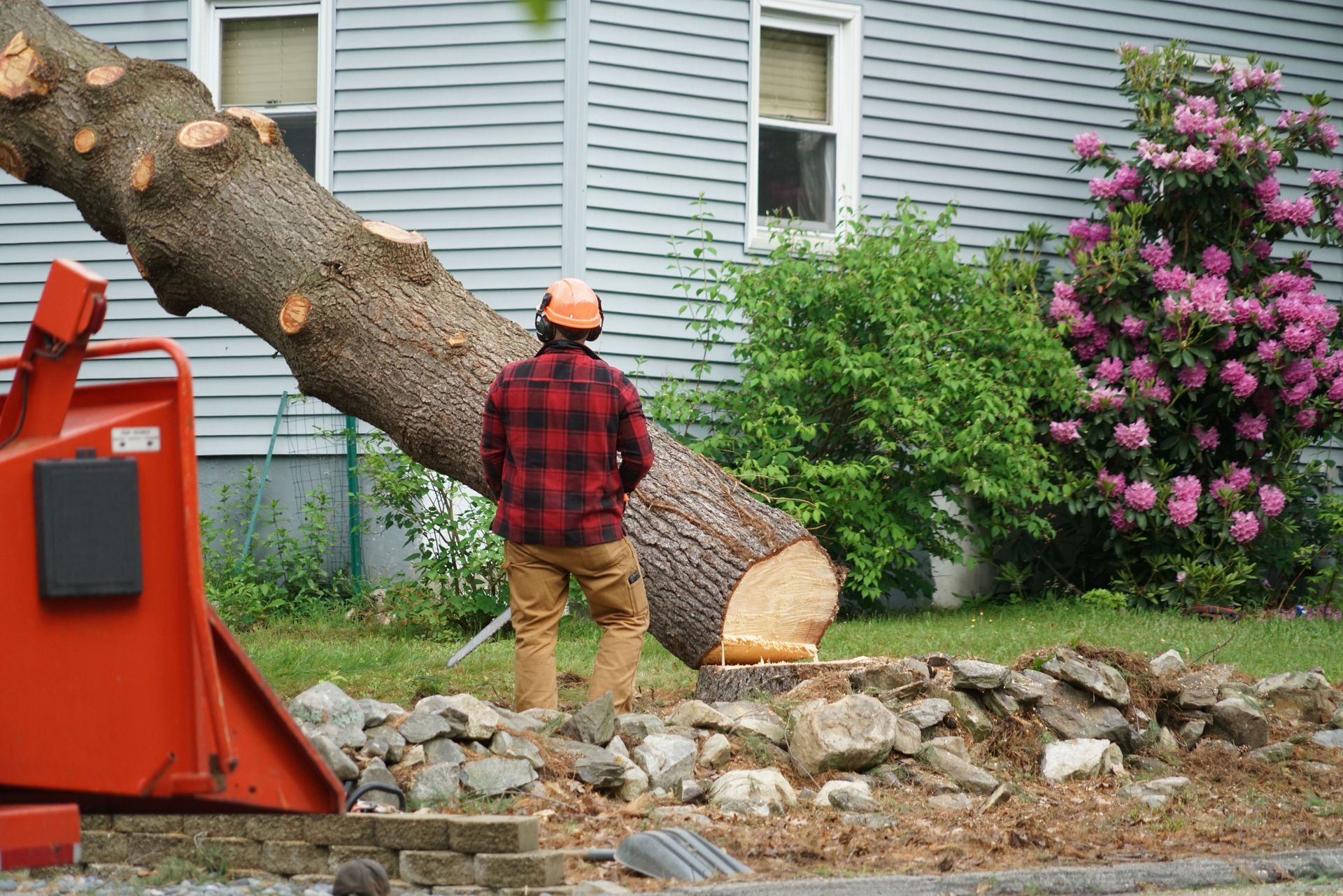
Removing a tree from a property does not always mean the job is finished. After the trunk and branches are gone, the remaining stump can continue to take up valuable space, create a tripping hazard, and interfere with future landscaping projects. Stump grinding provides an efficient way to deal with these leftover portions of trees without necessarily excavating the entire root system.
For homeowners and commercial property owners alike, understanding how stump grinding works can make it easier to determine whether it is the right solution. The process can improve the appearance of a property, reclaim usable space, and reduce some of the problems associated with leaving an old stump in place.
What Is Stump Grinding?
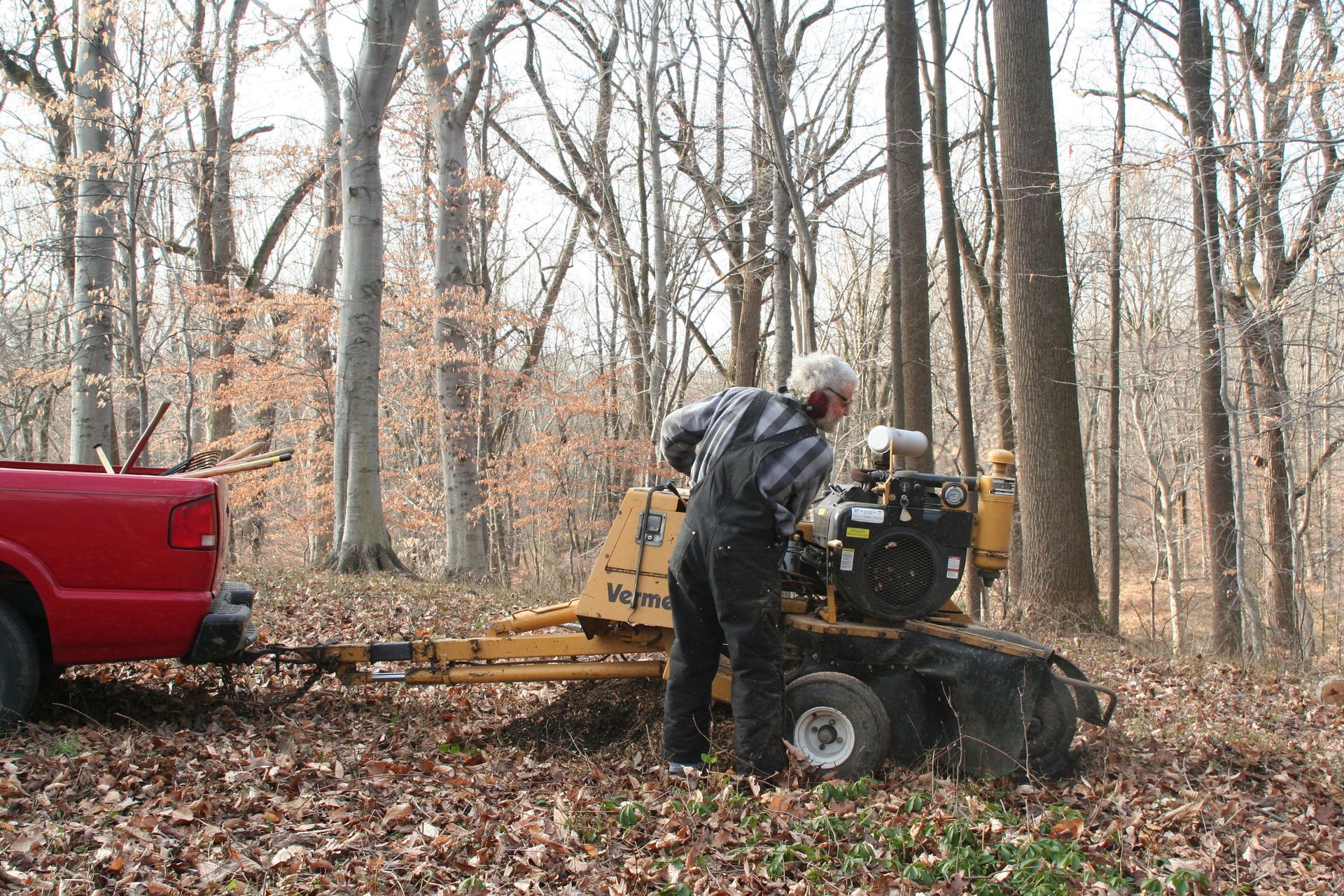
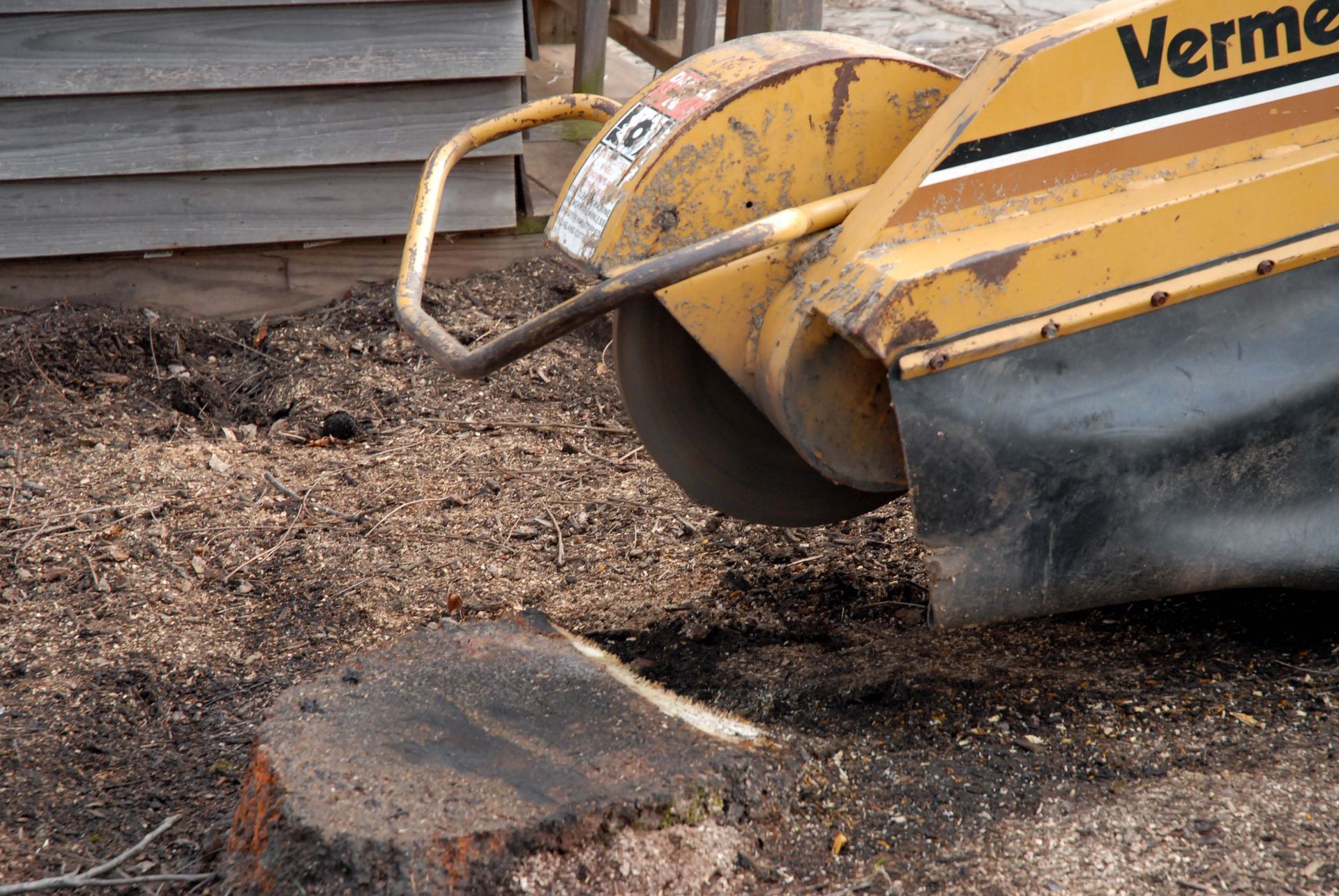
Stump grinding is a process that uses specialized equipment to mechanically break a tree stump into small wood chips. A machine equipped with a rotating cutting wheel is positioned over the stump, and the cutting teeth gradually grind the wood down below the surrounding soil level.
Unlike complete stump removal, stump grinding generally does not involve digging out the stump and its major roots. Instead, the visible portion of the stump is reduced to a manageable depth, and the resulting wood chips can often be used as mulch or removed from the property.
The depth of the grinding can depend on what the property owner intends to do with the area afterward. According to the Royal Horticultural Society, grinding to at least 30 centimeters, or roughly 12 inches, may be necessary when the area will be replanted or landscaped. This is important because shallow grinding may leave too much woody material in the soil for certain landscaping plans.
Because stump grinding equipment is designed specifically for this work, the process is generally much faster than manually excavating a large stump and its roots. However, the size of the stump, its location, the species of tree, and accessibility can all affect the amount of work required.
Why Opt for Stump Grinding?
One of the most obvious benefits of stump grinding is improved appearance. Even when a tree has been removed for legitimate reasons, a remaining stump can make a carefully maintained lawn or commercial property look unfinished. Grinding the stump below ground level allows the area to be covered with soil, grass, mulch, or another landscaping material.
Stump grinding can also improve safety around a property. Stumps can create tripping hazards for people walking through yards, especially when they are partially hidden by grass or vegetation. They may also present problems for lawn maintenance equipment. Removing the protruding portion reduces these obstacles and can make mowing and other yard work easier.
Another consideration is the potential for pests. Decaying wood can provide habitat and food for various insects and other organisms. While grinding does not guarantee that pests will never be attracted to an area, eliminating an old, deteriorating stump can reduce the amount of readily available woody material on the surface.
Stump grinding can also make it easier to reclaim space. A stump located where a homeowner wants to install a garden bed, patio, walkway, or lawn can become an obstacle to future improvements. Grinding it down provides more flexibility for using the property.
For commercial properties, appearance and accessibility can be particularly important. Removing visible stumps can help maintain a cleaner landscape around businesses, rental properties, offices, and other facilities while reducing obstacles in areas where customers, employees, or visitors regularly walk.
Stump Grinding vs. Stump Removal: Which Is Better?
Although the terms are sometimes used interchangeably, stump grinding and stump removal are different processes. Grinding focuses primarily on reducing the stump below ground level, while removal involves physically excavating the stump and a substantial portion of its root system.
Stump removal can be useful when complete extraction is necessary. For example, extensive construction or a major excavation project may require the roots and remaining wood to be removed from the soil. However, removing a large stump can require significantly more digging, equipment, labor, and disruption to the surrounding landscape.
Stump grinding is often less invasive because the surrounding soil does not have to be excavated to the same extent. This can be particularly helpful when the stump is located near established landscaping, structures, fences, driveways, or other features that property owners want to preserve.
The right choice ultimately depends on what will happen to the area afterward. If the primary goal is to eliminate a visible obstacle and make the area suitable for ordinary landscaping, grinding may be sufficient. If a construction project requires the entire root mass to be cleared, complete removal may be more appropriate.
Property owners should also consider what they intend to plant in the area. Deeper grinding may be necessary for replanting or landscaping, while a less intensive grind may be adequate when the space will simply be covered with soil or mulch.
How to Prepare for Stump Grinding?
Proper preparation can help make stump grinding safer and more efficient. Before the work begins, property owners should identify anything near the stump that could be damaged by equipment or flying debris. Lawn furniture, decorations, planters, toys, hoses, and other movable objects should be relocated.
It is also important to communicate with the contractor about underground utilities. Depending on local requirements and the location of the stump, utility locating services may need to identify buried electrical lines, gas lines, telecommunications cables, or other infrastructure before work begins. A professional should know what precautions are appropriate for the job.
The surrounding area may also need to be cleared of people and pets while the equipment is operating. Stump grinders can produce substantial amounts of wood chips and debris, so keeping bystanders away from the immediate work area is an important safety precaution.
Property owners should also discuss what will happen to the resulting chips. Depending on the project, they may be left on-site for use as mulch, redistributed into the hole, or hauled away. If the area is going to become a lawn or planting bed, discussing the desired finished depth ahead of time can help ensure that the stump is ground sufficiently.
DIY Stump Grinding: Is It Safe?
Stump grinding may look straightforward when performed by an experienced operator, but the equipment involved can be powerful and potentially dangerous. A commercial stump grinder uses rapidly rotating cutting teeth to break apart solid wood, and the machine can throw chips and debris considerable distances.
There are also other hazards to consider. Stumps can contain rocks, metal objects, buried roots, or other unexpected materials. Underground utilities can create additional risks if their locations have not been properly identified. Even relatively small residential stumps can require careful equipment handling.
Renting a stump grinder may appear less expensive than hiring a professional, but the rental cost is only one part of the equation. Operators must also understand how to use the machine safely, protect themselves and surrounding property, and determine the appropriate grinding depth.
For property owners without experience operating this type of equipment, hiring a professional is generally a more practical approach. Professionals have the equipment and experience necessary to manage the stump while accounting for nearby structures, landscaping, utilities, and site conditions.
Professional stump grinding can also save considerable time. What might take an inexperienced homeowner an entire day can often be completed much more efficiently by someone who regularly performs the work.
Understanding the difference between grinding and removal is important when deciding how to handle a particular stump. Property owners should also consider the intended use of the area, since deeper grinding may be necessary for future planting or landscaping.
Whether the goal is to improve curb appeal, create a safer yard, or reclaim space for a new landscaping project, proper stump management can make a noticeable difference. With appropriate preparation and professional assistance when needed, stump grinding can be an efficient part of maintaining a clean, functional property. IF you're looking for professional
stump grinding, reach out to the team at Out On A Limb Tree Care today!