July 28, 2026
Stump grinding is a critical yet often overlooked aspect of tree care and landscaping. In many ways, the presence of a tree stump can pose unique challenges or even ruin the aesthetic setup of a garden. This article aims to address the mysteries and questions one may have about stump grinding, offering insights from experienced tree care professionals.
1. What Is Stump Grinding?
Definition and Basics
Stump grinding is the process of removing a tree stump by mechanically shredding it into small wood chips. This is achieved using a powerful machine expressly designed for grinding stumps into a form that can be easily removed or left to decompose naturally. Unlike stump removal, which involves extracting the root system, stump grinding focuses only on the visible parts of the stump above the ground. This method is less intensive on the landscape and generally faster to execute. It's key to remember the importance of grinding depth, which according to Bob Vila can range between nine and 18 inches below the ground.
The Machinery Used in Stump Grinding
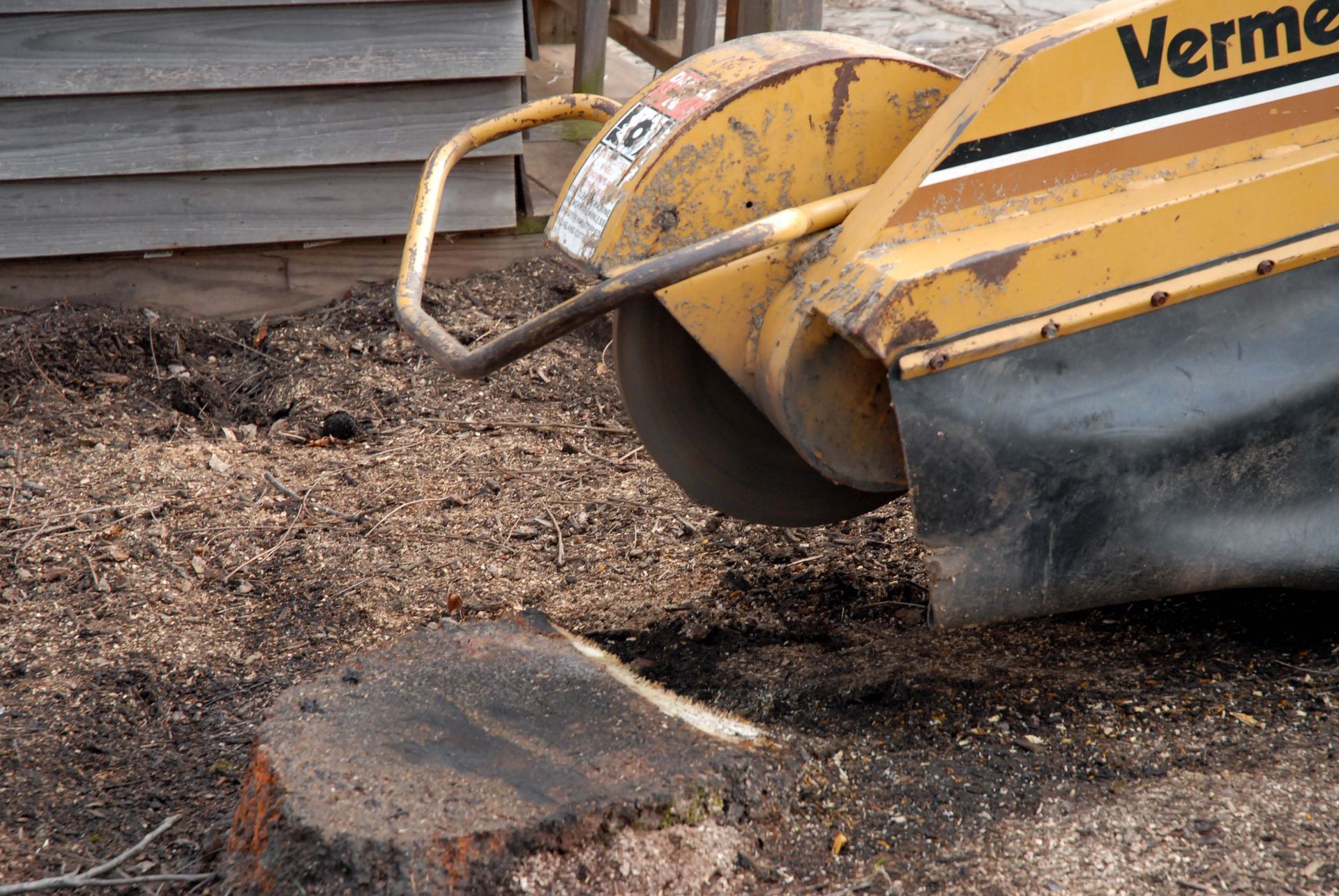
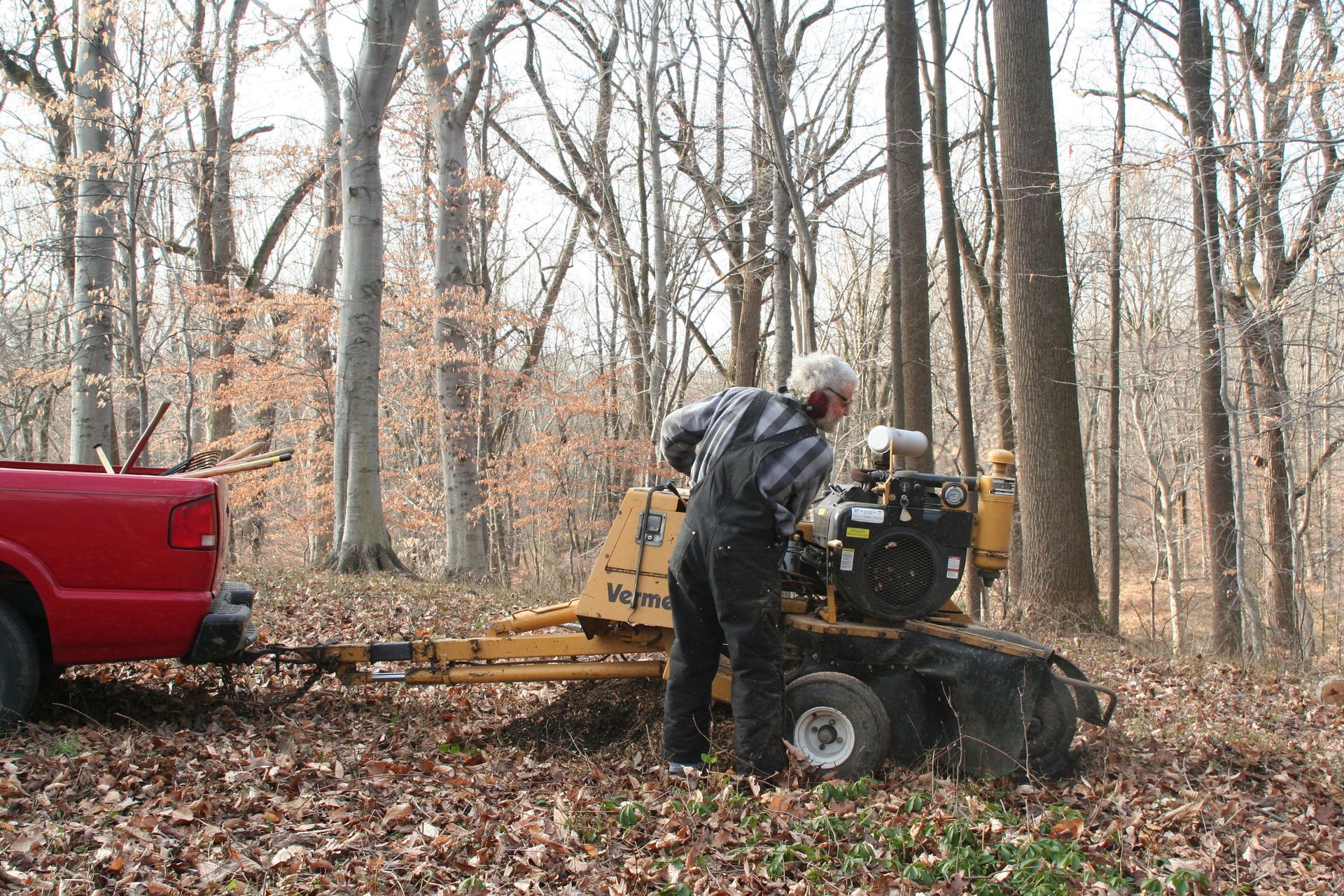
The machinery involved in stump grinding is highly specialized, designed for optimal performance and safety. Typical stump grinders are equipped with a high-speed disk with sharp teeth that chip away at the wood of the stump. Depending on the size and location of the stump, different types of grinders may be used, ranging from small, handheld grinders to large, industrial machines operated by professionals. The choice of machinery can impact the depth and speed of the grinding process, significantly affecting the finished result. Importantly, the machinery is capable of grinding to various depths, often reaching between nine and 18 inches below the surface, to ensure complete grinding of the stump.
The Process of Stump Grinding: Step-by-Step
Stump grinding typically follows a structured process to ensure safety and effectiveness. Initially, the site is cleared of debris and any hazardous elements to avoid interference with the grinding machine. After positioning the grinder over the stump, operators will adjust specific settings to align with the desired grinding depth and begin the grinding process. The machine systematically reduces the stump to wood chips, making sure the entire above-ground portion is eradicated. Upon completion, the area is usually raked and cleared, providing homeowners the option to fill the depression with soil or use it for future landscaping activities.
Benefits of Stump Grinding Over Other Methods
Opting for stump grinding over other methods provides distinctive benefits in terms of cost, time, and impact on the environment. The process is typically less expensive than stump removal because it requires less labor and doesn't involve removing the entire root system. Additionally, stump grinding is quicker, often completed within a few hours depending on the stump size, in contrast to the extensive process of stump extraction. From an environmental perspective, grinding produces biodegradable chips that can be repurposed as mulch or compost, creating opportunities for sustainable garden practices. Therefore, stump grinding stands out as a practical, economical, and ecologically responsible choice.
2. Why Is Stump Grinding Important?
Prevention of Pest Infestations
Pest infestations constitute a significant threat posed by leftover tree stumps in one's yard. Dead and decaying stumps serve as an ideal breeding ground for various pests, including termites, beetles, and ants. Over time, these pests can spread to healthy plants or even enter homes, causing damage and potential health hazards. Stump grinding effectively deters such invasions by removing the desirable habitat that attracts these pests. Thus, engaging in stump grinding can be a preemptive measure against unwanted pest activity, contributing to a healthier and more pest-free home environment.
Aesthetic and Landscaping Benefits
The visual appeal of one's outdoor space can be vastly improved through stump grinding. Leftover stumps are often unsightly, detracting from the overall beauty and cohesiveness of a garden or landscape. By removing these stumps, homeowners can create a more polished and inviting yard environment, enhancing curb appeal and potentially increasing property value. Additionally, removing stumps opens up new opportunities for landscaping and gardening, allowing for new plantings and outdoor designs. Therefore, stump grinding not only eliminates an eyesore but also facilitates creative landscaping endeavors.
Environmental Considerations
Environmental implications of stump grinding are worth noting, particularly in the context of sustainable landscaping. Unlike complete stump removal, which can harm soil structure and upset local ecosystems, grinding is minimally invasive. It does not disrupt the underlying root network beneficial for soil sustainability. The wood chips generated can serve as effective mulch, providing nutrients and aiding in moisture retention for soil and plants. Thus, stump grinding represents a balance between managing the immediate landscape while respecting and maintaining broader environmental health.
3. What Are the Risks and Safety Concerns?
Potential Hazards of Stump Grinding
While stump grinding is generally safe, there are inherent risks that need attention to ensure safety. The primary hazard involves operating heavy machinery, which requires skilled handling and adherence to operational protocols. Improper operation or negligence can lead to property damage or personal injury. Moreover, stump grinding can produce debris and flying wood chips that could potentially harm bystanders or damage nearby property if not correctly managed. Therefore, these hazards highlight the necessity for hiring professional grinding services that prioritize secure operational methods.
Safety Protocols to Follow
Emphasizing safety is paramount throughout the stump grinding process to prevent accidents and ensure efficient service execution. Operators need to wear protective gear such as gloves, goggles, and helmets to safeguard against debris. Keeping the surrounding area clear of people and pets is crucial to avoid injury from flying wood chips. Equipment maintenance and operation checklist adherence, such as verifying the grinder's settings for proper depth and speed, are also procedural elements for safety. Implementing these safety protocols minimizes risks, maximizing the safe execution of the stump grinding tasks.
Post-Grinding Site Assessments
Conducting a comprehensive post-grinding site assessment is essential for evaluating the success and impact of the stump grinding service. This typically involves inspecting the site to confirm the complete removal of the stump and addressing any residual material. The assessment can also identify any inadvertent disruptions or hazards resulting from the grinding process. If necessary, additional cleanup or restoration work may be recommended based on the assessment's findings. Professionally executed site assessments offer assurance that the project met its objectives without compromising safety or site integrity.
4. What Are Some Misconceptions About Stump Grinding?
Effectiveness vs. Root Removal
Another misconception arises from confusing stump grinding effectiveness with root removal capabilities. While grinding erodes the visible portion above ground, it does not selectively remove roots extending into the soil. As a result, understanding this limitation counters assumptions that grinding eliminates entire root networks. Acknowledging its focus on purely stump removal guides realistic expectations about the process outcome. Heightened awareness can then contribute to better-informed choices, paving the way toward pursuing compatible additional measures should root removal be needed.
The Environmental Impact Myth
Beliefs around environmental impact regularly accompany stump grinding, suggesting it adversely disturbs ecosystems or contributes to ecological harm. However, when done correctly, stump grinding sustains environmental balance by respecting surrounding soil and avoiding deep root disturbances. Moreover, wood chip byproducts encourage mulching practices, recycling nutrients, and promoting soil health. Correcting these myths about environmental harm emphasizes the ecological balance achievable through responsibly executed grinding. Comprehensive understanding of stump grinding's environmentally sound facets ensures informed, ecologically considerate choices within stump management efforts.
The Complexity of the Process
Prospective customers often misunderstand the procedural complexity involved in stump grinding, doubting its simplicity. While stump grinding necessitates specialized machinery and operator know-how, efficient execution processes exist through experienced professionals. It warrants easy initiation and completion, establishing a hassle-free landscaping solution where simplicity merges with reliable expertise. Clarifying these assumptions enhances customer confidence in the accessible, uncomplicated nature of services.
The insights offered by tree care experts emphasize stump grinding's pivotal role in sustainable and effective landscape management. Grounded in economic, environmental, and safety concerns, the benefits inherent in this practice make it important to consider when hiring landscapers or tree care services. If you need
stump grinding services, reach out to our team at Out On A Limb Tree Care today!