March 27, 2026
Explore how hiring a professional local tree service can significantly enhance your property's market value and visual appeal. In today's competitive real estate market, it’s imperative to not only make a home stand out but also ensure it reaches its highest market potential. Trees, often seen as just decorative items, actually serve as substantial assets to a home’s overall landscape and value. A well-maintained tree can have far-reaching effects on the visual attractiveness and the financial valuation of your property. This article delves into the role that a local tree service can play in boosting a home’s curb appeal and increasing its market value.
Understanding the Importance of Trees in Landscaping
Environmental Benefits of Trees
Trees provide more than just beauty; they offer crucial environmental benefits that enhance the livability of our surroundings. They absorb carbon dioxide and release oxygen, which is vital for maintaining a healthy atmosphere. Additionally, trees act as natural air filters, trapping dust, pollen, and smoke. In urban areas, strategically planted trees can reduce the urban heat island effect, cooling the air and reducing the need for air conditioning. Their shade also protects cars and pavements from intense sun exposure, extending their lifespan and reducing maintenance needs.
Psychological Impact on Residents and Passersby
The mere presence of trees has been shown to uplift moods and foster a sense of well-being. Green spaces, including those dominated by trees, provide a soothing effect that can reduce stress and increase productivity. Natural settings have been linked to enhanced mental health, offering a serene refuge from the hustle and bustle of daily life. For residents and visitors alike, a landscape filled with healthy trees can create a welcoming and relaxing environment. Well-maintained trees send a message of care and investment in the property, appealing to prospective buyers and guests.
Economic Advantages of Well-Maintained Trees
Economically, trees serve as a long-term investment in property value. According to the International Society of Arboriculture, properties featuring well-maintained trees and landscaping can have a value that is 5% to 20% higher than those without landscaping. This increase is due to the aesthetic appeal and the perceived quality of life benefits that trees provide. Properties with mature, healthy trees are often seen as more desirable, leading to quicker sales and potential for higher offers. Tree care, therefore, not only maintains but boosts the financial value of a property.
Role of Trees in Defining Property Boundaries
Trees can play a crucial role in outlining property lines, providing a natural and appealing boundary between different areas. They offer privacy from neighbors and serve as an effective visual barrier without the need for unsightly fences. When planting trees for boundary purposes, careful selection of species and placement ensures optimal growth and aesthetic value. It's essential to consider root growth, size at maturity, and maintenance requirements to prevent disputes and potential damage. Properly placed boundary trees can demarcate space while providing a harmonious blend with the surrounding environment.
Elegance and Diversity: Aesthetic Contribution of Trees
Trees offer an unparalleled dimension to landscaping design, adding depth, texture, and color variability throughout the seasons. Their changing foliage offers a dynamic visual interest, as colors shift with the changing seasons. By selecting a mix of evergreen and deciduous species, homeowners can ensure year-round visual appeal. Diverse tree plantings promote biodiversity, supporting wildlife and creating a lively, thriving habitat. Thoughtfully integrated trees enhance the elegance of a landscape, making it a focal point for aesthetic appreciation.
Pruning and Trimming: Aesthetic and Health Benefits
Enhancing Tree Form and Structure
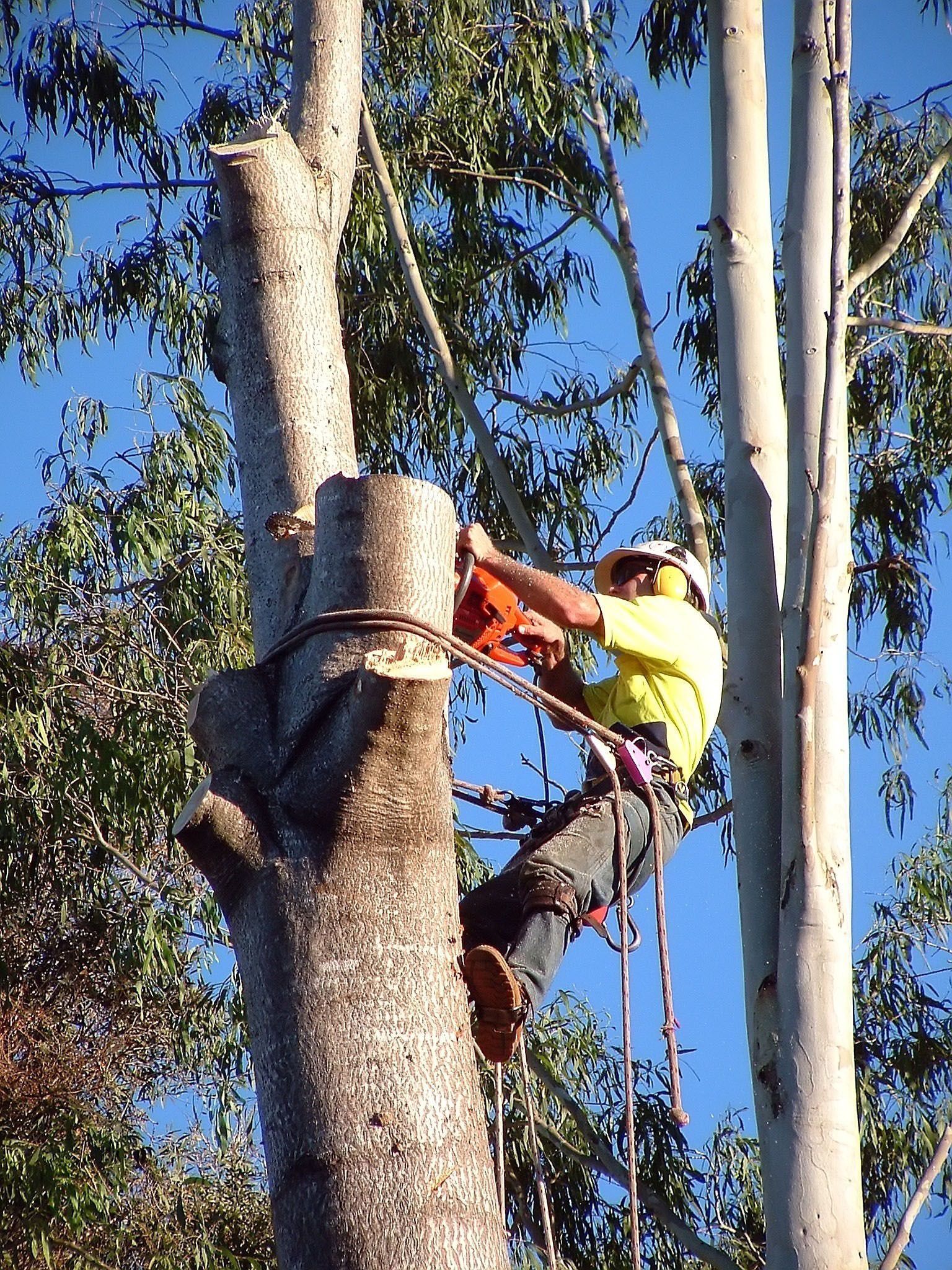
Pruning and trimming are essential practices in shaping a tree's form and promoting a robust structural framework. These practices help in eliminating excess growth, ensuring balanced weight distribution, and preventing branch breakage. By selectively pruning branches, trees can be trained to develop a desirable form that complements the landscape design. Regular trimming helps expose more tree branches to sunlight, facilitating better growth and vitality. Such attentive care supports the longevity of the tree, ensuring it remains a centerpiece of the landscape for years to come.
Preventing and Managing Disease
Regular pruning and trimming also aid in the early detection and management of diseases and pest infestations. By removing dead or dying limbs, a local tree service help stop the spread of disease to other parts of the tree or nearby plantings. Early intervention can save trees from potential devastation, maintaining their health and contribution to the landscape. Trained arborists can identify signs of infestations or diseases that might be missed by an untrained eye. Keeping trees healthy through preventive measures ensures they continue to contribute positively to property value and aesthetic appeal.
Light and Air Circulation Improvement
Pruning enhances light penetration and air circulation within the tree crown, crucial for photosynthesis and overall tree health. Adequate light and air reduce the risk of fungal diseases, which thrive in dense, humid conditions. For trees in shady areas, careful trimming can open up the canopy, allowing light to reach lower layers of the landscape. This practice benefits understory plantings, providing them with the necessary resources to thrive. Improved circulation and sunlight not only benefit the trees themselves but also enhance the entire garden environment.
Reducing Risk of Property Damage
Overgrown branches pose a significant risk during storms, potentially leading to property damage and personal injury. Regular trimming reduces the load on heavy branches and removes those that hang dangerously over roofs, power lines, or driveways. By mitigating these risks, homeowners prevent costly repairs and insurance claims. In many cases, municipalities require property owners to maintain trees to prevent such hazards. Therefore, regular trimming is both a protective and a compliance measure, safeguarding both the property and its inhabitants.
Tree Removal: Knowing When and Why
Assessing Tree Health and Safety Risks
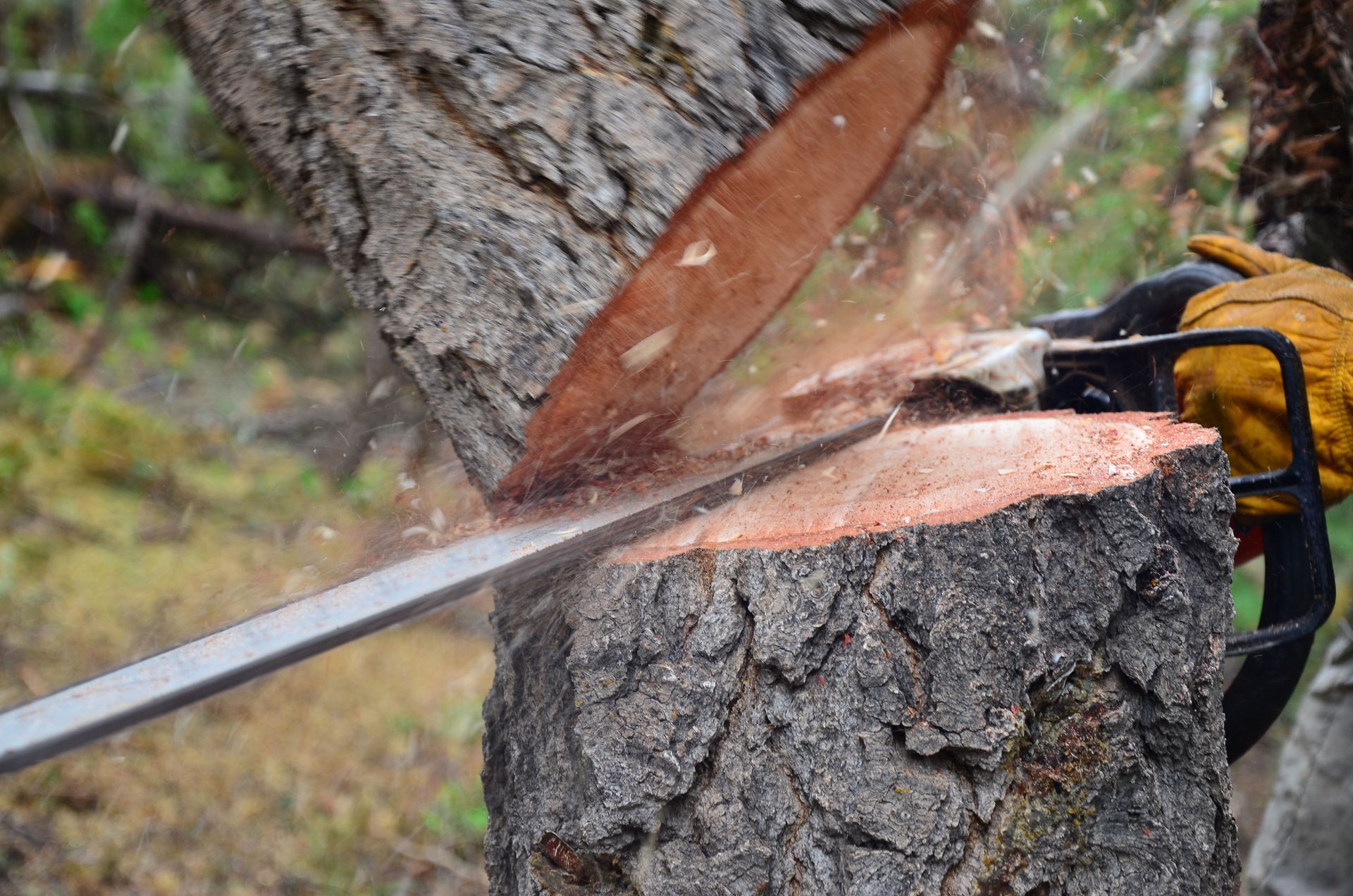
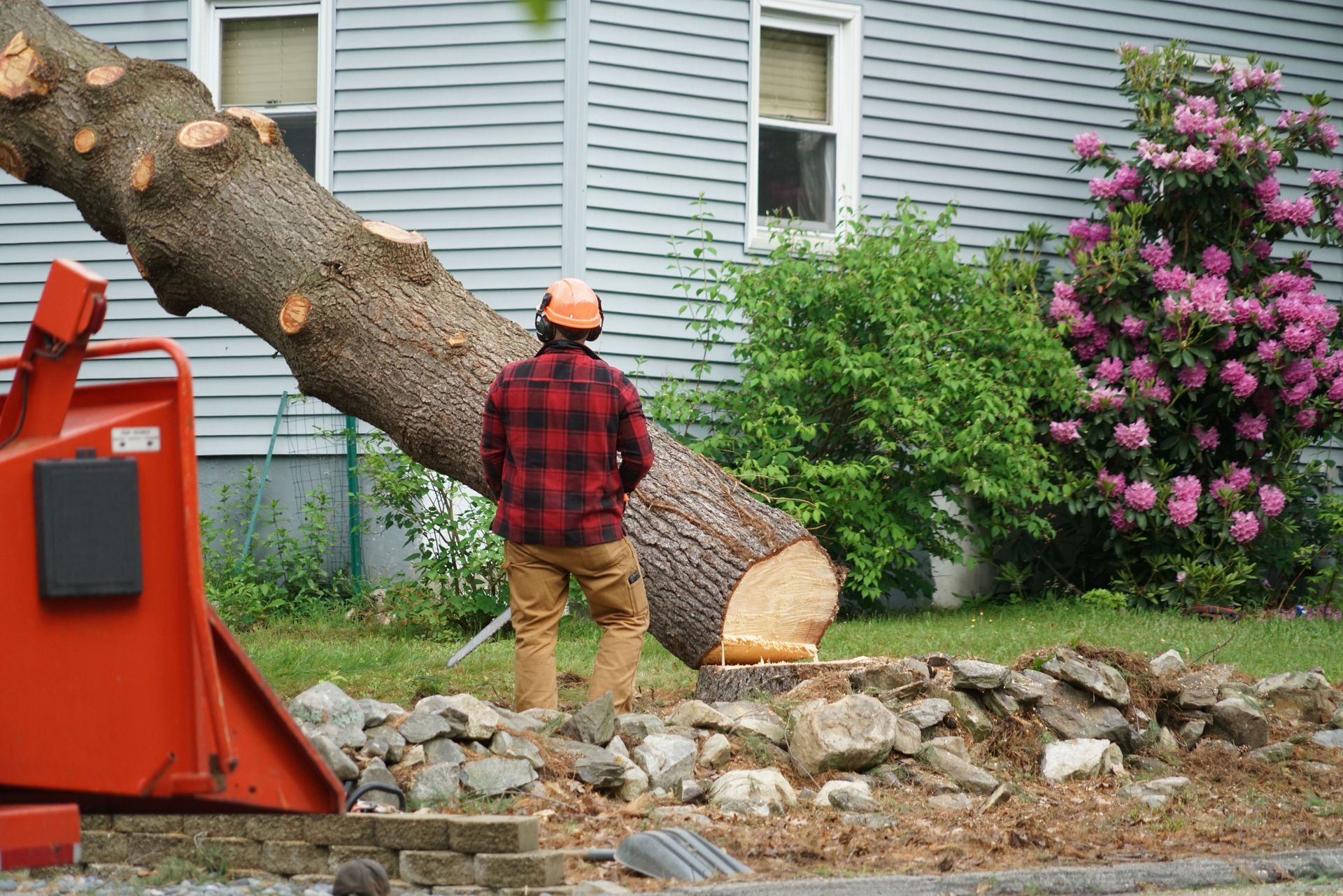
Determining the need for tree removal involves assessing the health and risk factors associated with a tree. Dead or diseased trees can pose significant safety hazards, including falling branches or the entire tree toppling over. When you hire a local tree service, they can assess these risks and advise on the best course of action, ensuring safety first. Additionally, trees that disrupt foundations or infrastructure may require removal to prevent future property damage. Professional evaluation ensures that the decision to remove a tree is both necessary and beneficial long-term.
Eliminating Unsightly, Overgrown, or Dangerous Trees
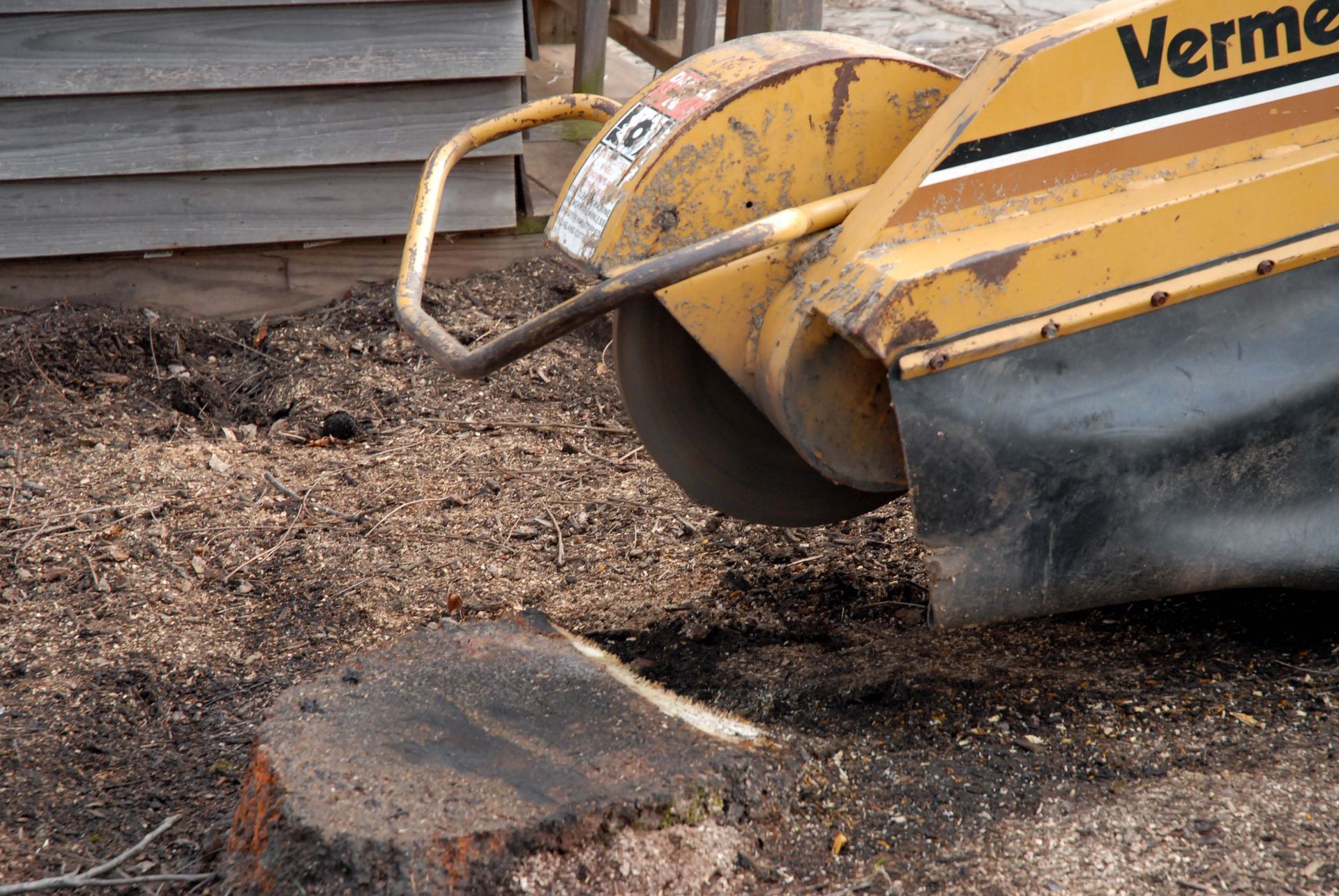
Tree removal becomes necessary when a tree negatively impacts the landscape's appearance or poses dangers. Overgrown or unsightly trees detract from the overall aesthetic, making the property less attractive. In such cases, removing these trees can open up space, allowing for new landscaping opportunities and improved curb appeal. Safety concerns, such as proximity to structures, necessitate proactive removal to mitigate potential hazards. Proper removal techniques ensure minimal disruption and maximum improvement to the landscape.
Preventing Damage to Infrastructure
Root growth from trees, especially older, larger species, can be a significant concern regarding underground infrastructure. Roots may interfere with plumbing, foundations, and pavement, leading to costly repairs and safety hazards. Tree removal addresses these issues by eliminating the culprit before damage occurs or progresses. By removing problematic trees, homeowners protect their property and maintain the integrity of essential systems. It's a proactive approach that avoids longstanding issues and maintains property functionality and value.
Legal Considerations and Permits for Removal
Removing trees may require permits or additional considerations, depending on local regulations. Some municipalities have preservation orders on mature or historically significant trees, necessitating special permissions for removal. By working with a professional local tree service, homeowners can navigate these legal aspects smoothly. Tree experts ensure compliance with all legal requirements, obtaining necessary permits and documents. Awareness and adherence to legalities prevent potential penalties or disputes, facilitating a seamless removal process.
A professional local tree service can greatly contribute to increased property value and enhanced curb appeal, making regular professional care an investment in your home’s future. Trees are significant assets in landscaping, offering ecological, aesthetic, and economic benefits. With informed decisions regarding tree care and management, homeowners can enhance their landscapes and ensure their property remains an attractive and valuable asset. Proper care and maintenance secure the ongoing allure and health of trees, guaranteeing they continue to enrich the landscape. By investing in a professional local tree service, homeowners unlock the full potential of their outdoor spaces. Reach out to Out On A Limb Tree Care today to see how we can help you!